Understanding Overpolishing and How to Identify It in Metallographic Samples
Introduction
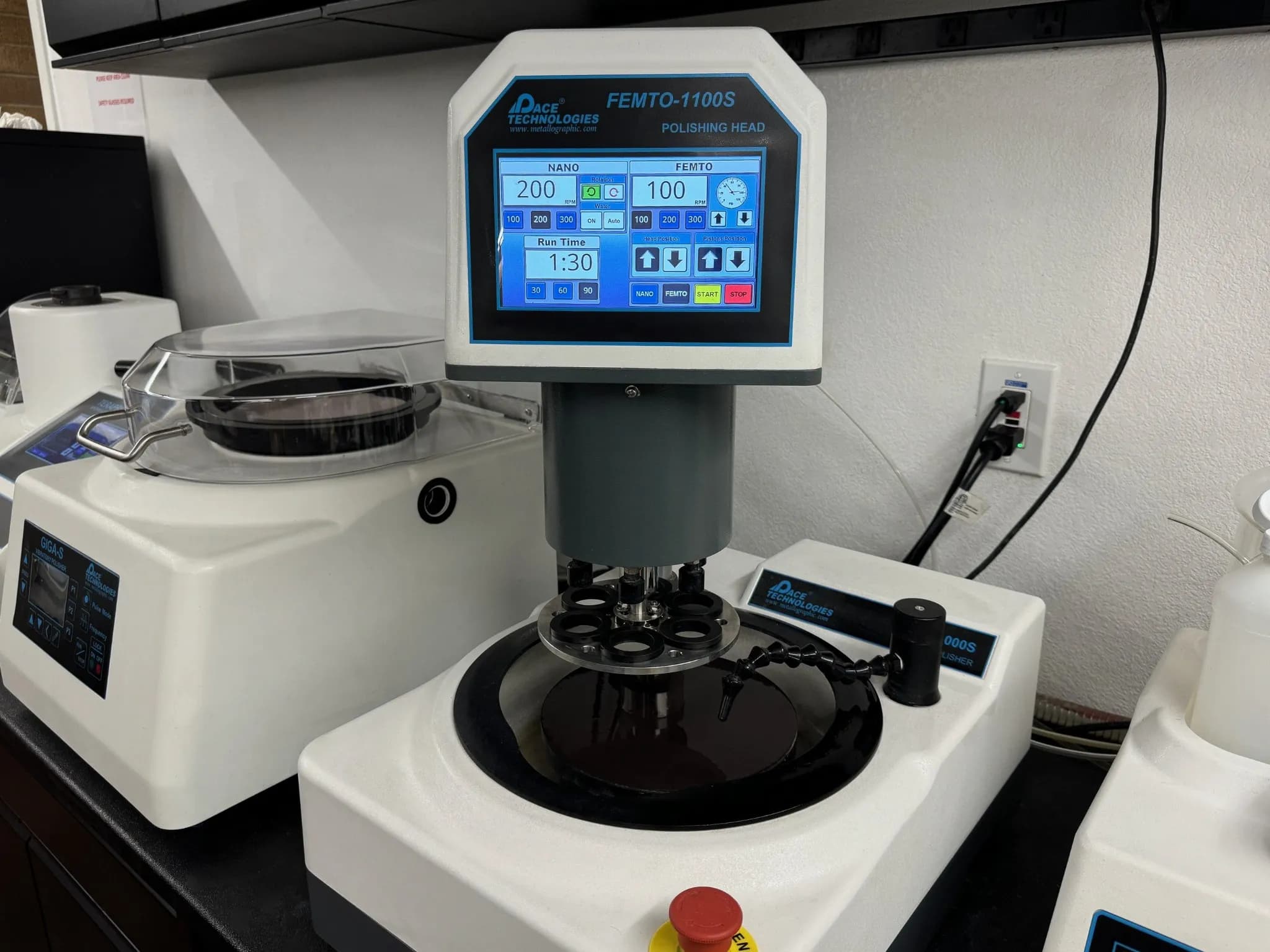
Overpolishing is a common but often overlooked artifact in metallography. It occurs when polishing extends beyond the optimal endpoint, causing distortion of surface features or removal of important structural details. Because overpolished surfaces can appear smooth and reflective, many users fail to recognize it, which leads to inaccurate interpretation of microstructures.
What Overpolishing Looks Like
Overpolished samples usually show rounded edges, smeared phases, or softened grain boundaries. In some materials the surface may appear hazy due to excessive chemical interaction from fine abrasives or polishing agents.
Typical Signs of Overpolishing
- Grain boundaries that appear widened or washed out.
- Relief between soft and hard phases that becomes increasingly pronounced.
- Loss of detail in microstructural features such as carbides or precipitates.
- Rounded edges that affect dimensional accuracy.
Causes of Overpolishing
Overpolishing can occur when polishing time is too long, when cloths are too soft for the material, or when aggressive final abrasives are used. Materials such as aluminum, copper, nickel alloys, and titanium are particularly prone to this effect during fine polishing.
Common Situations That Lead to Overpolishing
- Extended use of colloidal silica on soft or reactive metals.
- Polishing on cloths with excessive nap height.
- Using high lubricant flow that increases surface interaction time.
- Attempting to remove scratches that originate from incomplete grinding.
Preventing Overpolishing
Overpolishing prevention begins with controlled polishing times and correct cloth selection. Harder cloths and shorter polishing cycles help maintain structural detail. If scratches persist beyond reasonable polishing time, the issue is usually incomplete grinding rather than polishing duration.
Conclusion
Recognizing and preventing overpolishing is essential for accurate metallographic interpretation. By understanding the signs, causes, and preventative measures, metallographers can maintain the integrity of microstructural details and produce more reliable results.
Want to Learn More?
Explore our comprehensive guides for detailed step-by-step instructions on sample preparation techniques.
Browse GuidesRelated Posts
How Polishing Cloth Properties Influence Metallographic Results
Learn how polishing cloth characteristics affect surface quality, relief formation, and polishing performance in metallographic preparation.
Read More
The Importance of Proper Grinding and Its Effect on Final Surface Quality
Learn why careful grinding is essential for achieving high-quality final polishing results and how incomplete grinding affects metallographic analysis.
Read More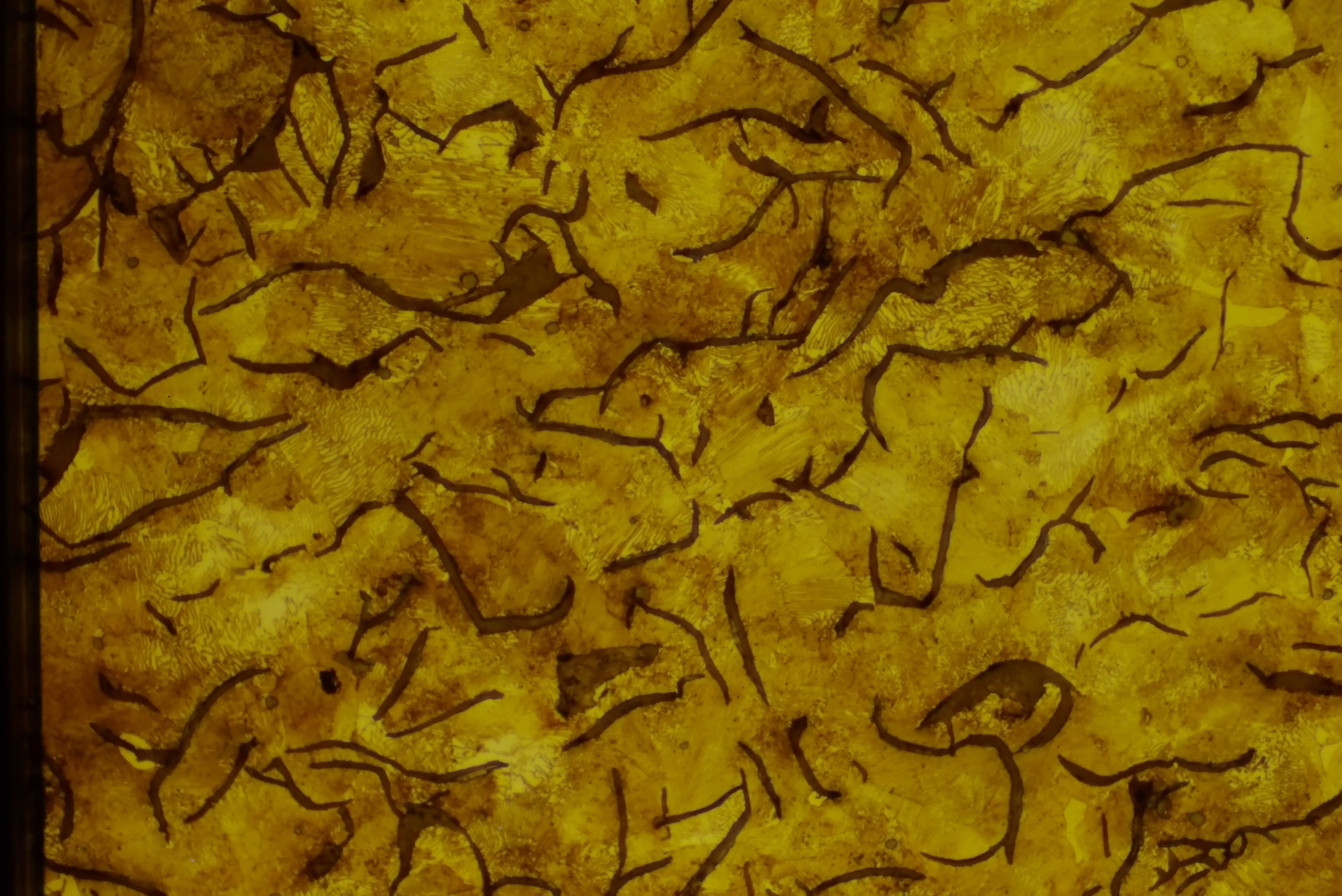
Comet Tails Behind Hard Particles — Diagnosing and Fixing Drag Damage
Comet tails are the visual signature of hard particles dragged across a soft matrix during polishing. The fix is force, rotation, and pad selection — not more polishing time.
Read More