How Polishing Cloth Properties Influence Metallographic Results
Introduction
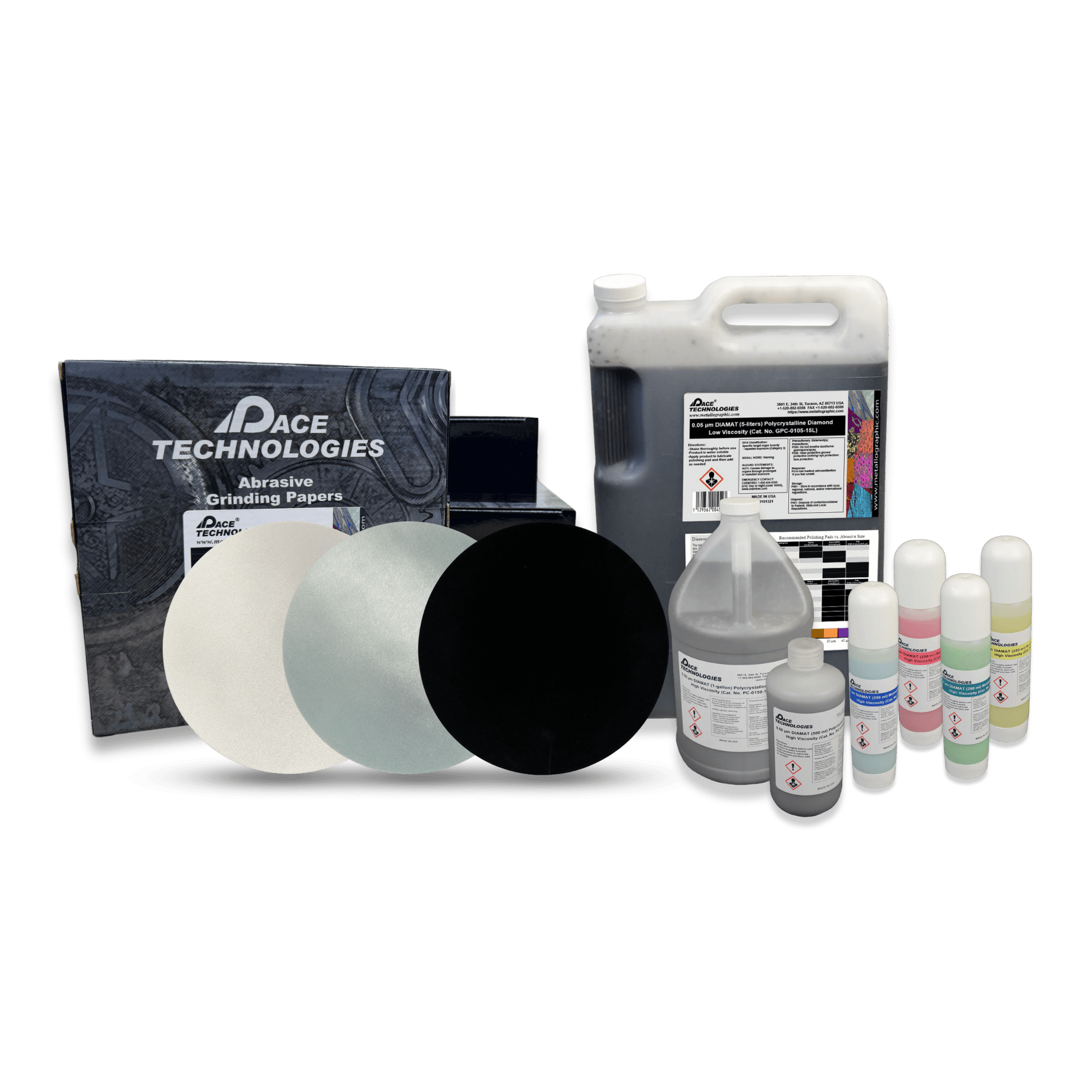
Polishing cloths play a critical role in metallographic preparation. Their physical properties influence cutting action, relief formation, slurry distribution, and overall surface quality. Many polishing challenges can be traced to cloth selection or cloth condition rather than abrasive type or machine settings.
Cloth Structure and Material Interaction
Polishing cloths vary in nap height, stiffness, weave, and material composition. These characteristics determine how the cloth interacts with the specimen surface during polishing.
Key Cloth Types
- Hard cloths support flatness and reduce relief.
- Medium cloths balance material removal and surface quality.
- Soft cloths enhance final finish but may increase relief.
How Cloths Affect Surface Flatness
Stiffer cloths maintain better planarity because they resist compression under load. Softer cloths conform to surface variations, which can create rounding or highlight differences in material hardness.
Influence on Different Materials
- Steel benefits from medium to hard cloths for controlled removal.
- Aluminum performs well on soft to medium cloths for a smooth finish.
- Multi-phase alloys often require hard cloths to limit relief.
Cloth Wear and Performance Drift
As polishing cloths age, their nap structure changes and their ability to retain slurry decreases. This alters material removal rates and can introduce inconsistencies between samples.
Signs a Cloth Should Be Replaced
- Visible glazing or flattening of the cloth surface.
- Slurry no longer distributes uniformly.
- Polishing results become inconsistent.
Conclusion
Polishing cloth selection and cloth condition have significant effects on metallographic results. Understanding cloth properties allows metallographers to improve consistency, reduce artifacts, and achieve optimal surface finishes for a wide range of materials.
Want to Learn More?
Explore our comprehensive guides for detailed step-by-step instructions on sample preparation techniques.
Browse GuidesRelated Posts
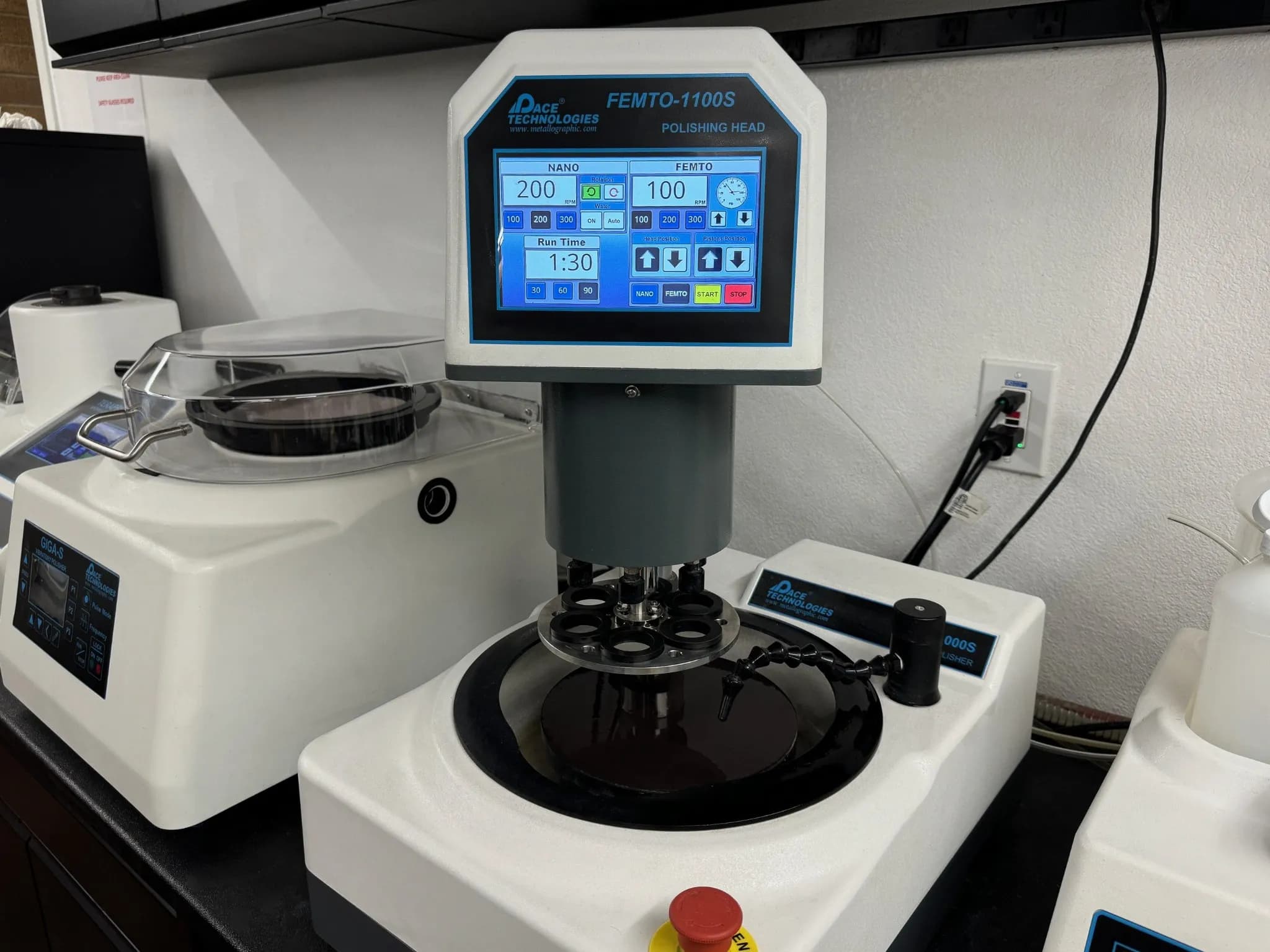
Understanding Overpolishing and How to Identify It in Metallographic Samples
Learn how to identify overpolishing in metallographic samples and why it affects microstructural accuracy and surface integrity.
Read More
The Importance of Proper Grinding and Its Effect on Final Surface Quality
Learn why careful grinding is essential for achieving high-quality final polishing results and how incomplete grinding affects metallographic analysis.
Read More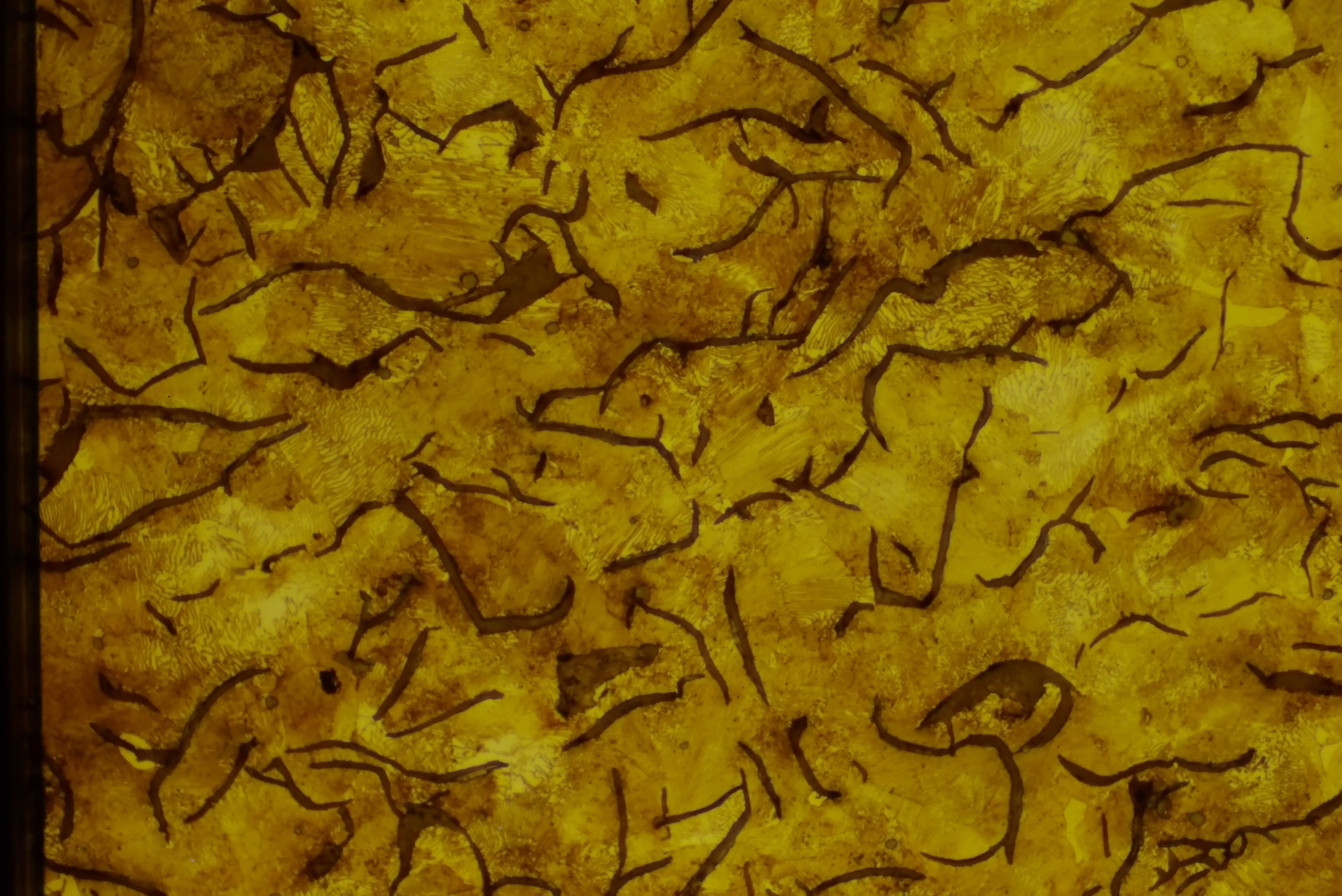
Comet Tails Behind Hard Particles — Diagnosing and Fixing Drag Damage
Comet tails are the visual signature of hard particles dragged across a soft matrix during polishing. The fix is force, rotation, and pad selection — not more polishing time.
Read More